
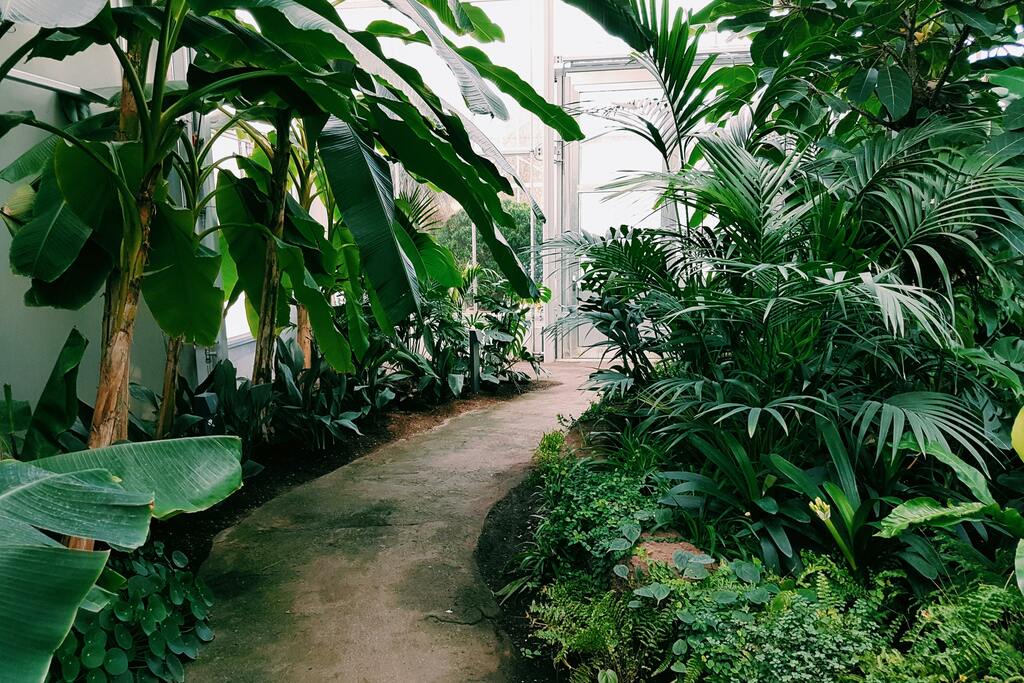
Transform your outdoor space with our comprehensive landscaping services, designed to bring your vision to life. Whether you're looking to create a tranquil garden retreat or a functional outdoor living area, our team of skilled landscapers provides tailored solutions to meet your unique needs. We handle projects of all sizes, from residential gardens to large commercial landscapes, ensuring attention to detail and a focus on sustainability.
Our team is committed to enhancing the beauty, value, and functionality of your property. From initial design to ongoing maintenance, we work closely with you to ensure your outdoor space is a true reflection of your style and needs. Let us help you create the perfect landscape—contact us today to get started!
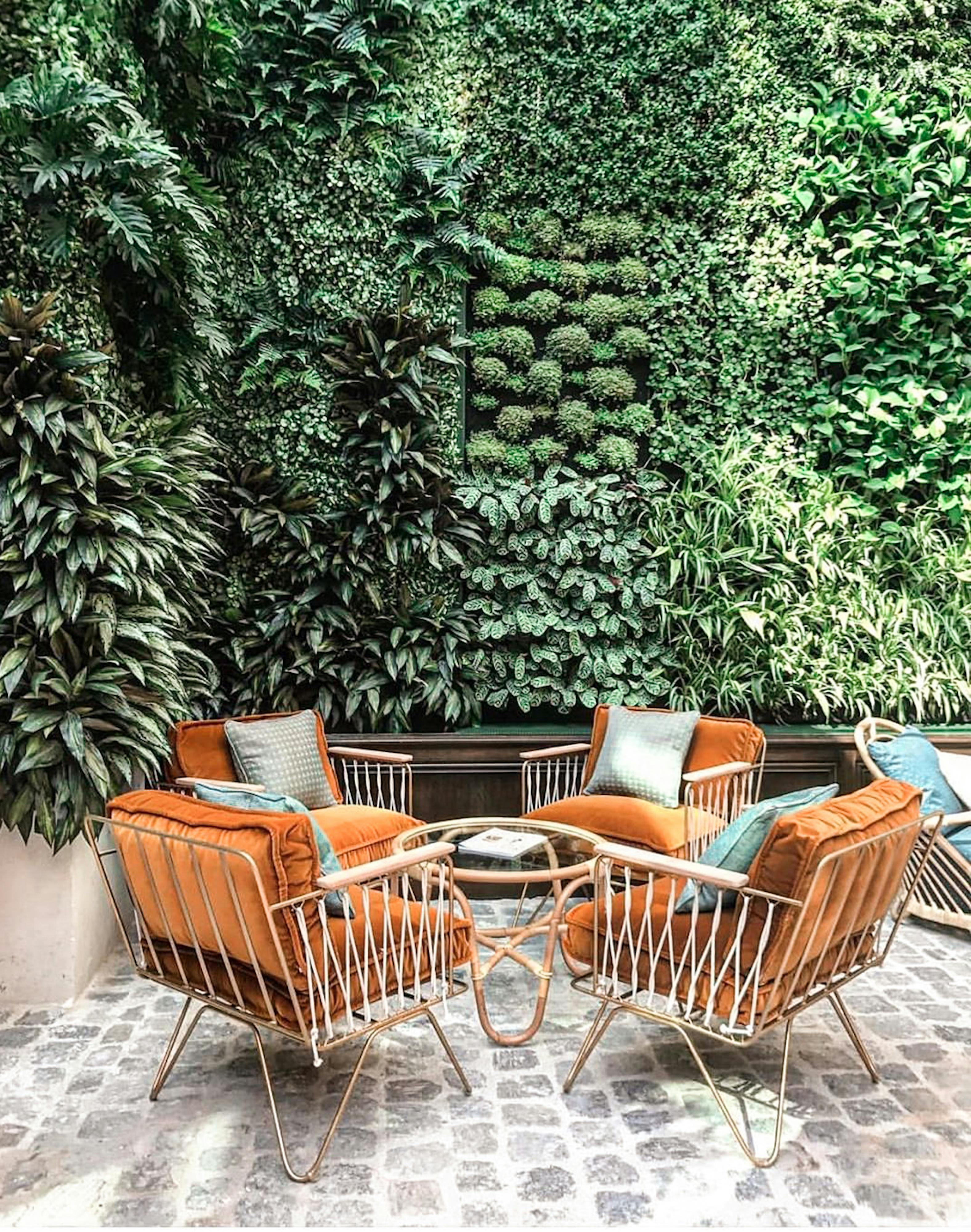

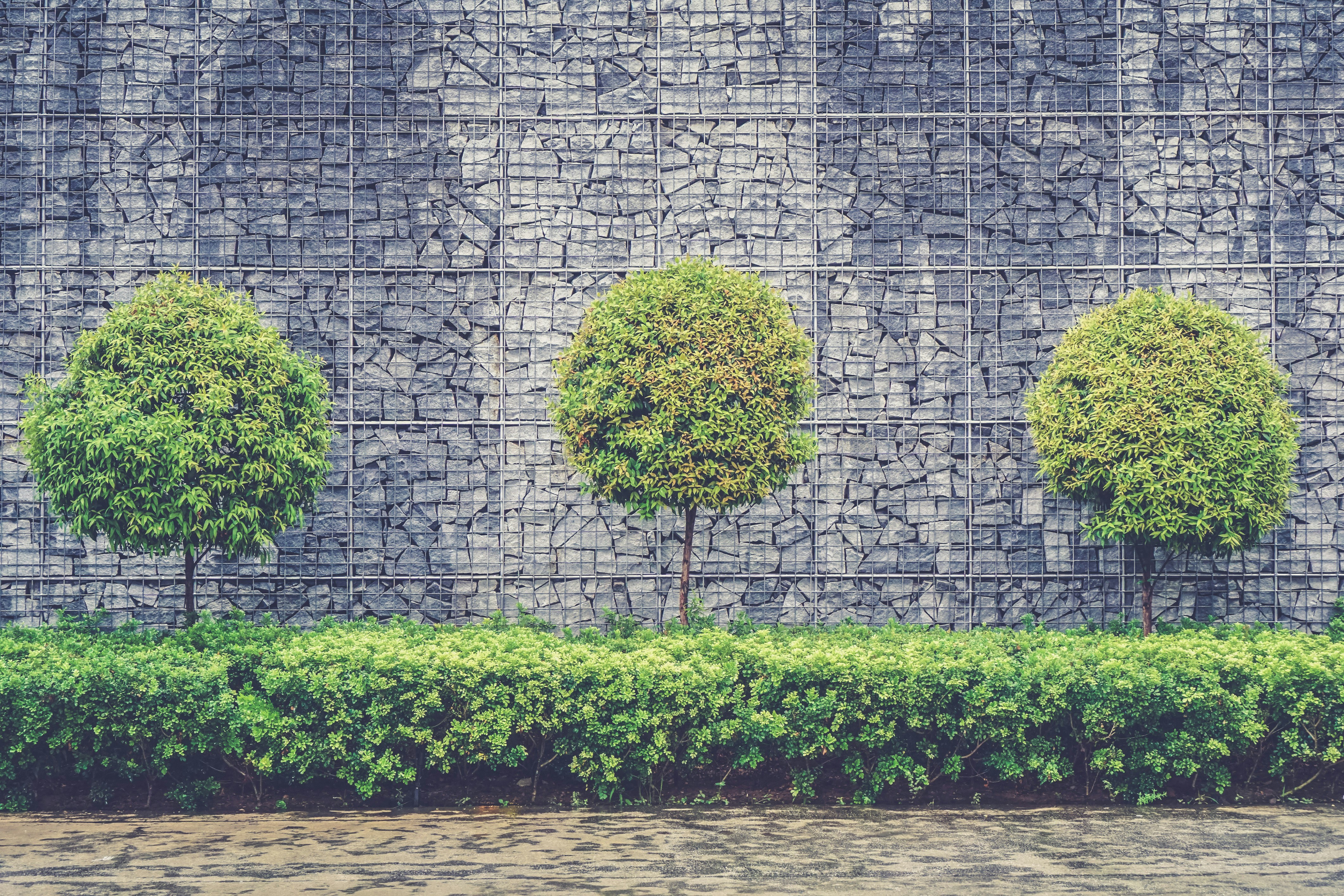
The process of perforating the soil to allow better air, water, and nutrient penetration. Aeration involves creating small holes in the soil to relieve compaction, promote root growth, and enhance overall lawn health. Aeration is especially beneficial in high-traffic areas, helping lawns recover from stress and improving the soil’s ability to absorb water.
Tailored landscaping solutions for corporate spaces and commercial properties. From maintaining lush lawns to designing impressive entrances, corporate landscaping services enhance the appearance of business spaces, making them inviting for clients and employees. A well-maintained landscape can boost property values and improve workplace productivity by creating an aesthetically pleasing environment.
Professional treatment of plant diseases to preserve plant health. Disease treatment includes diagnosing plant diseases, prescribing appropriate solutions, and taking preventive measures to stop future outbreaks. Early detection and treatment of plant diseases can save entire gardens from significant damage, preserving their beauty and longevity.
Techniques used to prevent soil erosion and protect landscapes. Erosion control includes methods like planting ground covers, installing retaining walls, and using mulch to stabilize soil and prevent loss due to wind and water runoff. Erosion control not only preserves the aesthetic value of a landscape but also protects water quality by preventing sediment from entering waterways.
The removal of organic waste generated from gardening activities. This service includes collecting and disposing of grass clippings, leaves, branches, and other debris, keeping your garden neat and healthy. Proper garden waste removal reduces the risk of pests and diseases by eliminating potential breeding grounds.
Regular cutting and shaping of hedges to maintain their appearance and health. Hedge trimming involves using specialized tools to prune overgrown branches, ensuring your hedges look neat and grow properly. Well-maintained hedges can serve as natural privacy screens or windbreaks, improving the functionality of your outdoor space.
A strategic approach to pest control using environmentally friendly methods. IPM includes monitoring pest populations, using biological controls, and employing targeted chemical treatments to minimize pest damage while reducing environmental impact. IPM is a sustainable pest control approach that focuses on long-term prevention rather than short-term fixes.
Ongoing care and repair of irrigation systems to ensure optimal performance. Maintenance includes checking for leaks, adjusting water flow, and cleaning components to ensure your irrigation system runs efficiently year-round. Regular maintenance can extend the life of an irrigation system by several years, preventing costly replacements.
Ongoing, scheduled landscaping services to keep your property looking pristine. These contracts include regular lawn mowing, trimming, pruning, fertilization, and seasonal clean-ups, tailored to the needs of your landscape. A landscape maintenance contract ensures consistency, helping properties maintain their aesthetic appeal throughout the year.
The application of nutrients to lawns to promote healthy growth. Lawn fertilization involves spreading nutrient-rich compounds, such as nitrogen, phosphorus, and potassium, to enhance grass health, color, and thickness. Proper fertilization can make your lawn more resistant to diseases and pests, reducing the need for chemical treatments.
Restoring a damaged or poorly maintained lawn to its full potential. Lawn renovation includes reseeding, aerating, and applying fertilizers to revive thinning or patchy lawns, making them lush and green again. Lawn renovation is often more cost-effective than completely replanting and can quickly enhance the appearance of your outdoor space.
Modernizing and enhancing outdoor lighting systems for improved performance and appearance. Lighting upgrades may include switching to energy-efficient LED lights, adding smart controls, or redesigning the layout to better illuminate key areas. LED lighting can reduce energy consumption by up to 80%, making it an environmentally friendly and cost-effective upgrade for any landscape.
The strategic planning of lighting placement to enhance outdoor spaces. Outdoor lighting design includes mapping out where lights should be placed for safety, functionality, and visual appeal, focusing on pathways, trees, and architectural elements. Well-designed outdoor lighting can extend the usability of your outdoor space into the evening while also increasing security.
Choosing and planting the right plants to thrive in your specific landscape conditions. This service involves evaluating soil, climate, and sunlight exposure to select the best plants for your garden or commercial space, ensuring a thriving, low-maintenance landscape. Correct plant selection can significantly reduce water and maintenance needs, saving time and resources in the long run.
The collection and storage of rainwater for landscape irrigation. Rainwater harvesting systems capture and store rainwater from rooftops or other surfaces, providing an eco-friendly water source for gardens and landscapes. Harvested rainwater can significantly reduce water bills and help conserve natural resources, especially in areas prone to drought.
Enhancing the quality of soil to promote healthy plant growth. Soil improvement may include adding organic matter, adjusting pH levels, and using fertilizers to enrich the soil and create the optimal growing environment. Healthy soil can hold up to 20 times its weight in water, reducing the need for frequent watering and promoting more sustainable landscaping practices.
Seasonal cleaning and maintenance to prepare landscapes for spring growth or winter dormancy. These clean-ups involve raking leaves, pruning dead branches, removing debris, and fertilizing to promote healthy growth and prepare for the changing seasons. Regular seasonal clean-ups can prevent pests and diseases from taking hold in your garden, ensuring a healthy landscape year-round.
Evaluating the condition of trees to detect disease, decay, or structural issues. Tree health assessments include checking for signs of pests, inspecting the roots and trunk, and evaluating the overall structure to ensure trees are healthy and stable. Early detection of tree health issues can prevent costly damage or the need for tree removal, extending the life of mature trees.
The safe and professional removal of dead or hazardous trees. Tree removal involves cutting down trees, removing the stump, and cleaning up debris to prevent safety hazards and promote landscape health. Removing a dead or decaying tree can prevent property damage from falling limbs and improve the safety and appearance of your yard.
A service designed to manage and eliminate unwanted weeds from your garden and lawn. Weed control involves a combination of techniques such as manual removal, applying targeted herbicides, and using preventive measures like mulch to suppress weed growth. Regular monitoring ensures that weeds do not reemerge, keeping your landscape healthy and attractive. Effective weed control not only improves the appearance of your garden but also helps other plants thrive by reducing competition for water and nutrients.
The creation of nutrient-rich organic matter for use in gardens and landscapes. Composting involves collecting organic waste like leaves, grass clippings, and food scraps to create a natural fertilizer that enriches the soil and promotes healthy plant growth. Composting reduces the need for chemical fertilizers and helps retain moisture in the soil, improving sustainability.
Personalized garden designs to match individual preferences and space requirements. Custom garden design includes planning plant placement, selecting hardscapes, and incorporating personal style to create a unique outdoor space tailored to specific needs. Every garden design is unique, reflecting the personality of the property owner while blending aesthetics with function.
An efficient irrigation method that delivers water directly to plant roots. Drip irrigation systems consist of tubing and emitters that provide slow, steady water delivery to specific areas, reducing water waste and promoting healthy plant growth. Drip irrigation can save up to 50% more water compared to traditional sprinkler systems, making it eco-friendly and cost-efficient.
The process of reviving neglected or overgrown gardens. Garden restoration includes clearing out old plants, refreshing soil, and reintroducing new plantings to bring back the beauty and functionality of the garden. A well-executed garden restoration can transform an unsightly space into a thriving, attractive environment within a short period.
The use of hard materials like stone, brick, or wood in landscaping. Hardscaping includes the installation of patios, walkways, retaining walls, and other structural elements to enhance the functionality and visual appeal of outdoor spaces. Hardscaping not only adds structure and style but also requires less maintenance than soft landscaping elements like plants and lawns.
Specialized landscaping services for industrial properties. Industrial landscaping includes designing, installing, and maintaining green spaces around factories, warehouses, and industrial parks to create an aesthetically pleasing environment. Landscaped industrial spaces can enhance the perception of a company’s brand and contribute to the well-being of employees.
The planning and installation of watering systems to keep landscapes healthy. Irrigation design and installation involve assessing your landscape’s water needs and creating a customized system that delivers water efficiently to lawns, plants, and trees. A well-designed irrigation system can reduce water usage by up to 30%, ensuring sustainability while keeping landscapes green.
Repair of malfunctioning or damaged irrigation systems. Repairs may involve fixing leaks, replacing damaged components, or adjusting water pressure to restore proper irrigation. Prompt irrigation repairs can save significant water and prevent landscape damage caused by over- or under-watering.
The process of redesigning and updating an existing landscape to improve functionality and aesthetics. Landscaping renovations can include replanting, adding new features like patios or lighting, and changing layouts to better suit your space. Landscaping renovations can increase property value by up to 15%, making them a great investment for both residential and commercial spaces.
Regular cutting of grass to maintain a neat and healthy lawn. Lawn mowing involves trimming grass to an optimal height, which helps prevent weed growth and keeps the lawn looking well-manicured. Consistent lawn mowing can promote denser grass growth, which naturally suppresses weeds and reduces the need for herbicides.
Regular upkeep and repair of outdoor lighting systems to ensure safety and functionality. Lighting maintenance includes cleaning fixtures, replacing bulbs, and checking wiring to ensure that your landscape lighting system remains efficient and effective. Properly maintained lighting can enhance security and reduce energy consumption by ensuring all lights work at optimal efficiency.
The use of plants that are indigenous to the area in landscaping designs. Native plant landscaping involves selecting and planting species that naturally thrive in the local environment, reducing the need for water, fertilizers, and pesticides. Native plants support local wildlife, including pollinators like bees and butterflies, creating a more sustainable and eco-friendly landscape.
The professional installation of outdoor lighting systems. Installation services include setting up wiring, placing fixtures, and ensuring that the lighting system is safe, functional, and aesthetically pleasing. Proper outdoor lighting installation not only enhances curb appeal but also deters potential intruders, making it a valuable safety investment.
Regular cutting back of overgrown branches and plants to maintain plant health and shape. Pruning and trimming remove dead or overgrown branches, improving air circulation and sunlight penetration, which promotes healthy growth and prevents disease. Proper pruning encourages more vibrant blooms and stronger plant structure, extending the lifespan of trees and shrubs.
The use of living elements like plants, trees, and shrubs in landscaping. Soft landscaping involves planting flowers, installing turf, and creating garden beds, providing the greenery and beauty in outdoor spaces. Soft landscaping can greatly improve air quality, as plants naturally absorb carbon dioxide and release oxygen, contributing to a healthier environment.
The process of analyzing soil to determine its nutrient content and pH levels. Soil testing includes collecting samples and running tests to understand what amendments or treatments are needed to improve soil health and support plant growth. Knowing your soil’s nutrient composition allows for precise fertilization, ensuring plants get exactly what they need to thrive.
The setup of automated irrigation systems for efficient landscape watering. Sprinkler system installation includes placing sprinkler heads, connecting pipes, and setting up controllers to ensure your lawn and garden get the right amount of water at the right time. Automated sprinkler systems can save up to 50% more water than manually watering, making them a smart choice for water conservation.
The selection and installation of trees in outdoor spaces. Tree planting includes choosing the right species for the soil and climate, digging planting holes, and ensuring proper spacing to allow for healthy growth. Planting trees can help reduce your carbon footprint by absorbing carbon dioxide and releasing oxygen back into the atmosphere.
Decorative installations like fountains, ponds, or waterfalls in outdoor landscapes. Water features include designing and installing elements that bring the soothing sound of water to your garden, creating a serene and relaxing environment. Water features can increase biodiversity by attracting birds, butterflies, and beneficial insects to your garden.
A sustainable landscaping approach focused on reducing water usage by integrating drought-tolerant plants and efficient irrigation practices. Xeriscaping includes planning and designing landscapes with low-water plants, implementing water-efficient irrigation systems, and using techniques like mulching to conserve soil moisture. Xeriscaping not only conserves water but also reduces maintenance costs and time, as drought-tolerant plants generally require less upkeep and fewer resources.
"The garden looks absolutely stunning, and the team was professional and attentive to our needs. Highly recommend their expertise"
- Craig T -
"The new design has transformed our outdoor space—great job!"
- Donald R-
"They were thorough, efficient, and left everything looking pristine. It’s been a pleasure working with them"
- Beauty M -